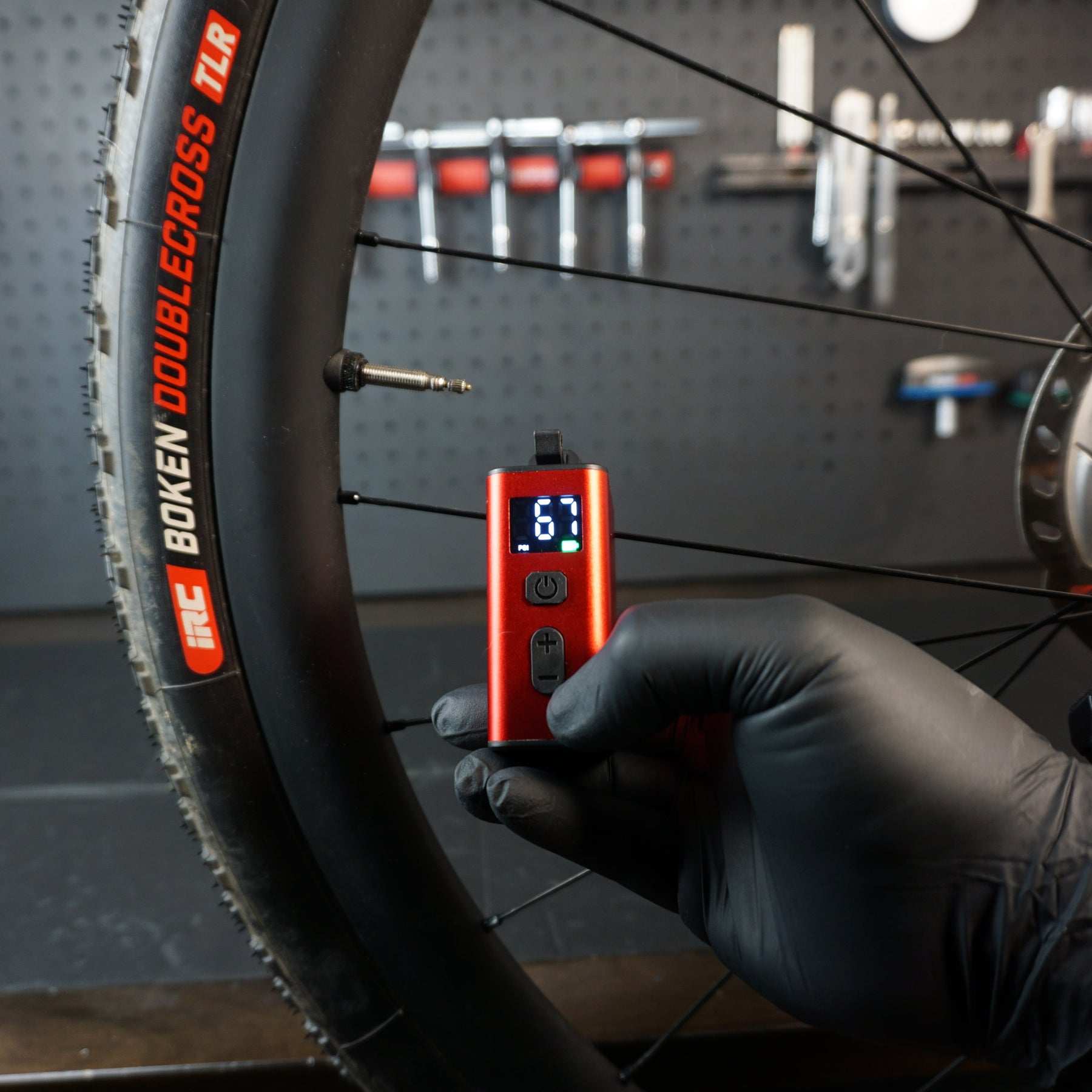
Digital Micro-Processor
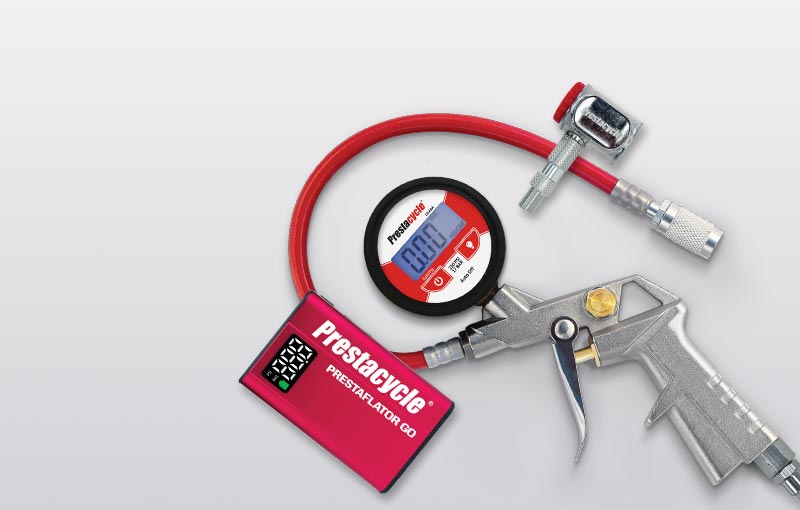
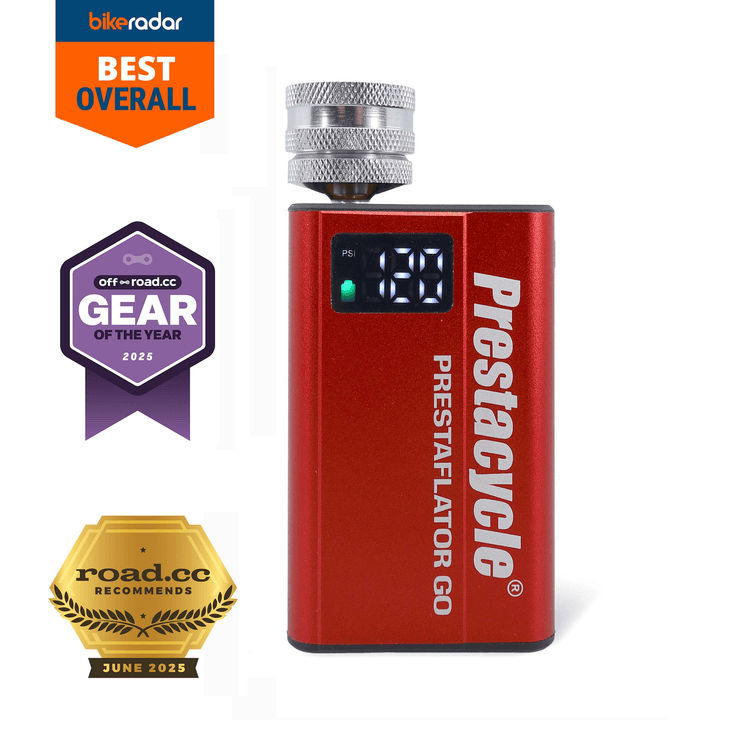
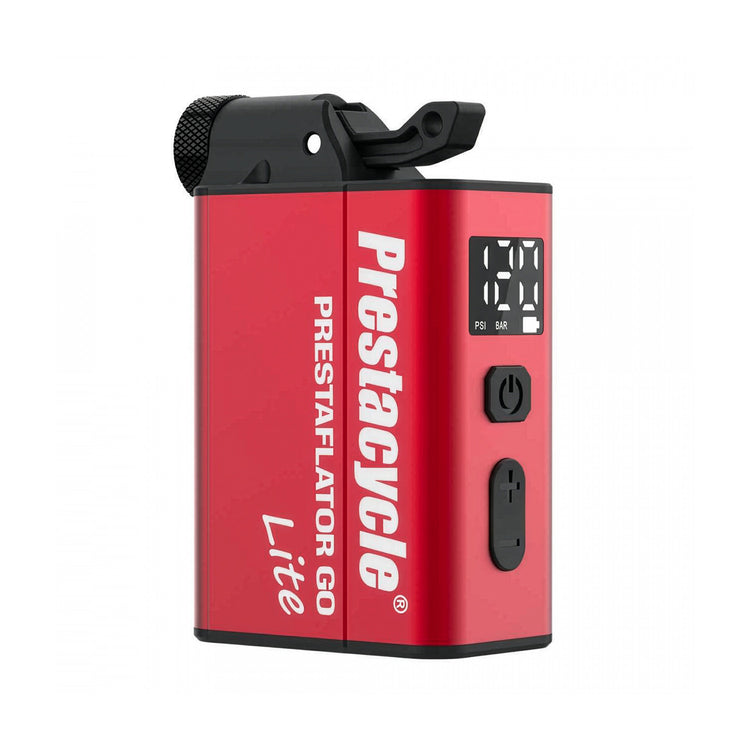
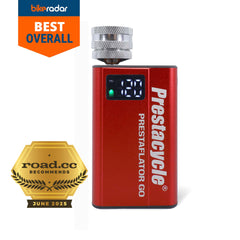
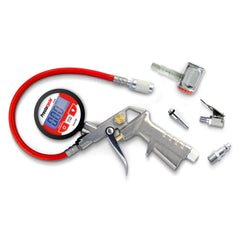
Prestaflator GO Lite Digital Gauge System
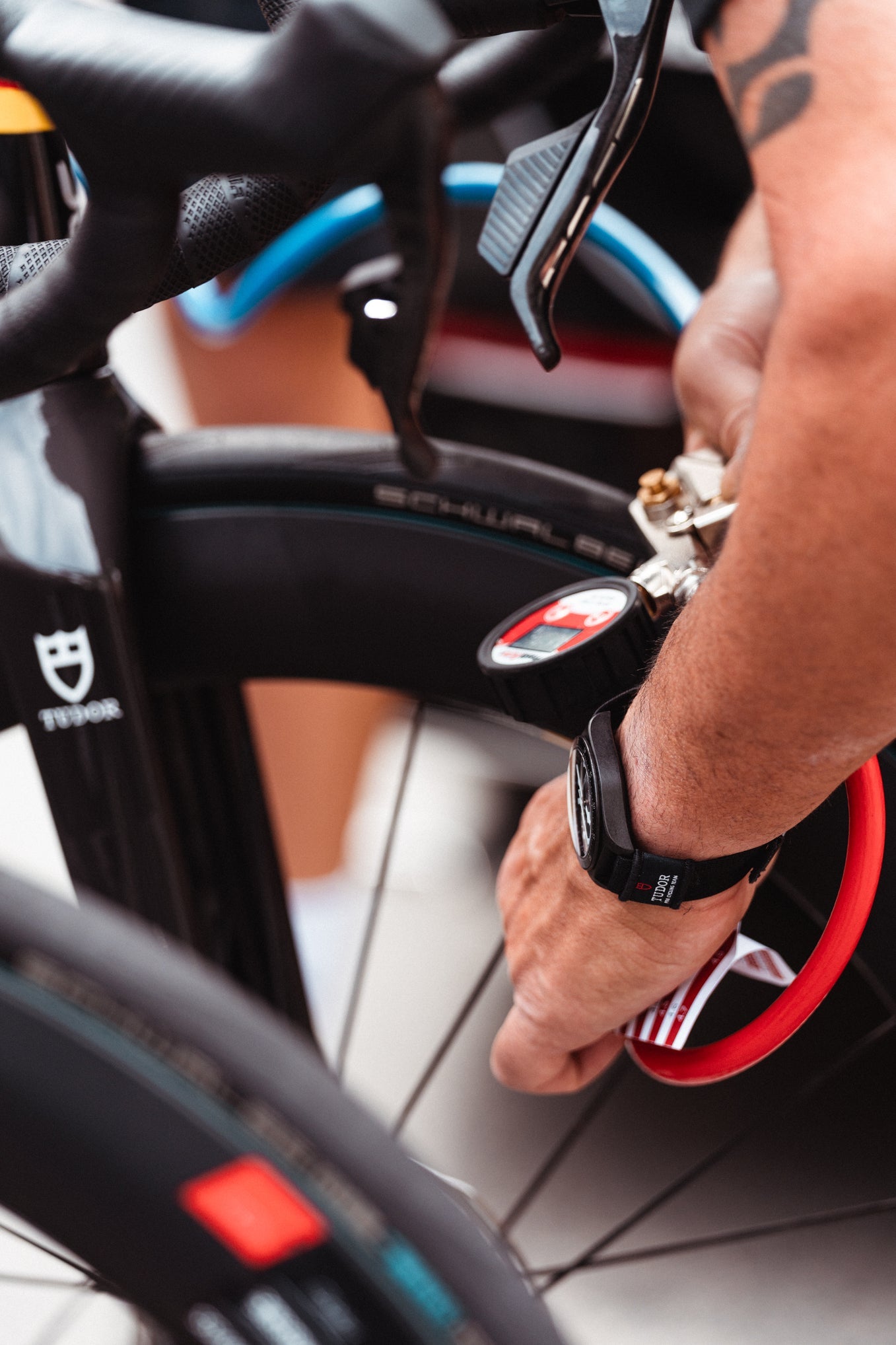
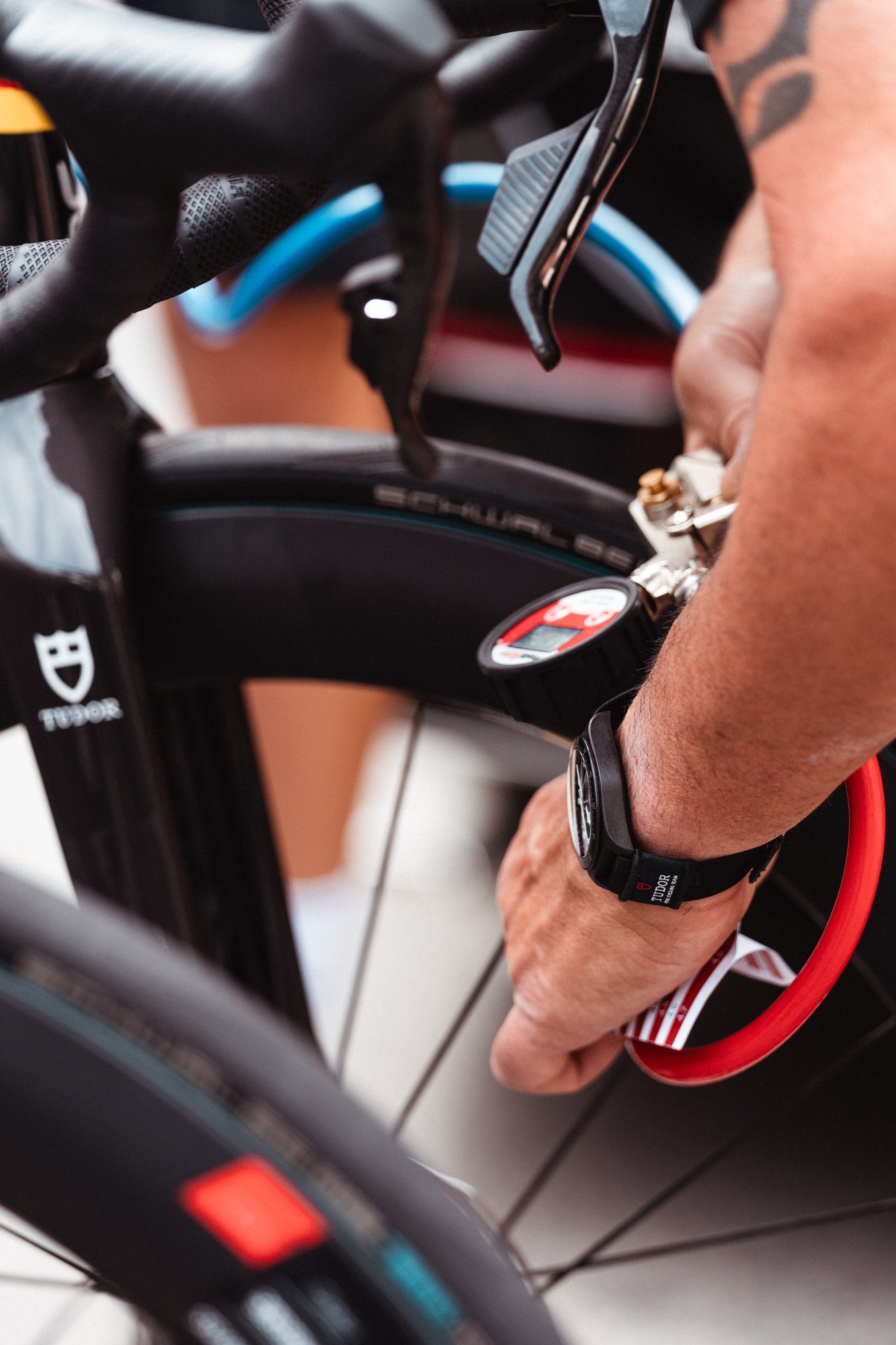
Engineered for mobile mechanics, pro team pit cars, and discerning retail customers, the Prestaflator GO Lite combines a micro-compressor with a real-time piezoresistive high-precision bicycle pressure gauge. It continuously measures internal chamber pressure at 100 Hz sampling rate, automatically stopping inflation within 0.1 PSI of the preset target.
- High-resolution backlit display readable under harsh sunlight
- Dual display switching (PSI, BAR, KPA, KG/CM²)
- Integrated automatic thermal cut-off sensor for sustained commercial use