Engineered for extreme torque tolerance, micro-precision engagement, and high-cycle reliability across automotive, e-mobility, and heavy-duty machinery applications.
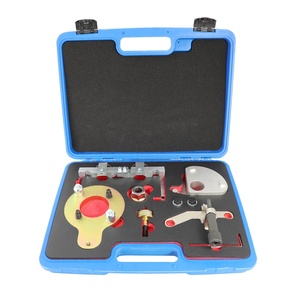
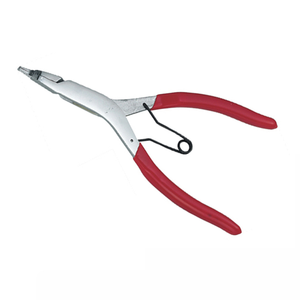
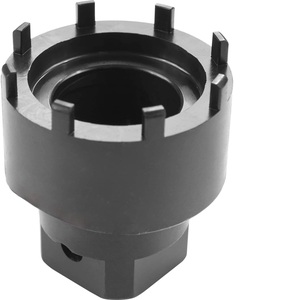
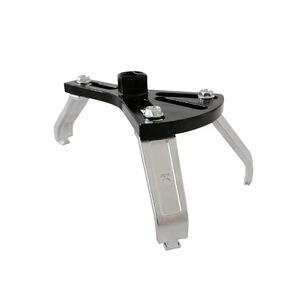
Delivering workshop-grade reliability, carbon-safe torque precision, and zero-defect tooling platforms designed for high-stress industrial manufacturing environments.
Engineered alongside elite automotive service engineers and WorldTour mechanics. Our lockring tool systems withstand demanding daily assembly line torque cycles under maximum pressure.
Forged using high-grade SCM440 Chrome-Molybdenum and heat-treated steel matrices (HRC 48-52). Designed for maximum shearing resistance without galling or slipping on soft retaining rings.
Featuring pre-set, drop-resistant torque control internal springs that eliminate periodic recalibration downtime, guaranteeing carbon-safe assembly and repeatable locking force across production lines.
Lockring tool failure is one of the leading causes of component galling, threaded hub destruction, and costly maintenance downtime in both industrial automotive service bays and high-end e-mobility manufacturing. A lockring mechanism relies on rotational friction and positive tooth engagement to maintain preload on threaded collars, fuel pump sender units, and electric drive motor retaining rings. When a low-grade tool deforms under load, the localized force concentrations cause rounded notches, slipped splines, and permanent damage to expensive OEM assemblies.
Key Engineering Insight: Tool geometry must mirror lockring notch tooth profile within ±0.015mm tolerances while maintaining a minimum shear yield strength 2.5x greater than maximum rated application torque.
As a specialized manufacturer, our metallurgy protocols prioritize high toughness and micro-structural homogenity. Standard carbon steel tools frequently suffer from brittle fracture under sudden impulse loads. We deploy high-grade Chromium-Molybdenum alloy steel (SCM440 / 4140 Grade), subjected to multi-stage vacuum heat treatment and oil quenching:
Whether servicing a high-pressure vehicle fuel sender unit or setting an e-bike bottom bracket lockring, uniform force distribution across all contact points is vital. Conventional two-point adjustable spanners introduce asymmetric side-loading, bending the ring out-of-round and risking thread cross-threading. Our double-contact adjustable and full-circumference spline lockring tools convert manual input into pure axial-symmetric rotational torque, maintaining 100% surface engagement throughout the rotation angle.
| Tool Category | Material Grade | Hardness (HRC) | Max Torque Rating | Primary Industrial Application |
|---|---|---|---|---|
| Engine Timing Locking Tool (Opel EN-52769) | Forged Cr-V Steel | 45 - 48 HRC | 180 Nm | Opel/Vauxhall 1.5L/2.0L Diesel Camshaft Alignment |
| E-Bike Motor Lock Ring Socket | CNC SCM440 Alloy Steel | 50 - 52 HRC | 120 Nm | Bosch Active Line Gen3/Gen4 & Brose Drive Units |
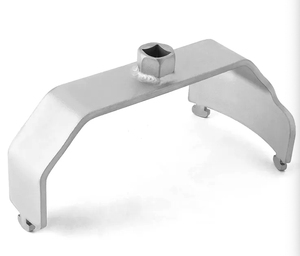
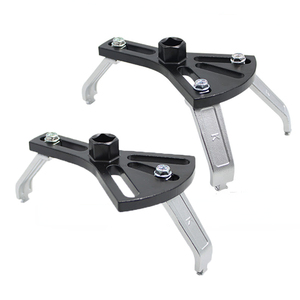
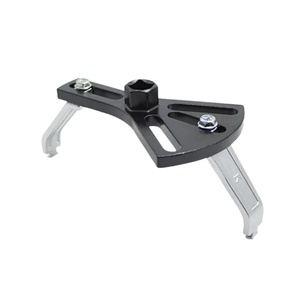
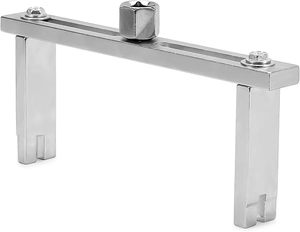
| Adjustable Fuel Pump Spanner (135-185mm) | High-Tensile Carbon Steel | 42 - 46 HRC | 220 Nm | Vehicle Fuel Tank Retaining Collar Removal |
| Straight Tip Lock Ring Pliers | Drop-Forged Steel | 48 - 50 HRC | 150 Nm Shear | Heavy-Duty Engine Internal Retaining Ring Service |
How global procurement heads, OEM tool buyers, and aftermarket distributors are adapting tool procurement strategies for EV transition and automation.
With global EV and e-bike adoption accelerating rapidly, procurement teams are shifting away from generic hand tools toward brand-specific, tight-tolerance lockring sockets (e.g., Bosch, Brose, Shimano standards). Sourcing direct from factories with rapid CNC re-tooling capabilities reduces time-to-market for specialized service kits by over 40%.
As vehicle OEMs transition from steel retaining collars to anodized aluminum and composite materials to save weight, traditional hard-edged steel tools risk scarring component finishes. Future B2B procurement contracts increasingly mandate specialized non-marring tooth profiles and polymer-coated tool interfaces.
Tier-1 automotive distributors now require full batch material certification (RoHS, REACH) and raw material traceability back to the steel mill. Partnering with ISO-certified manufacturers ensures compliance with stringent global environmental standards and zero supply-chain disruption.
The manufacturing landscape for industrial lockring tools is evolving beyond traditional drop-forging toward digitalized precision manufacturing. Here are the core technological shifts driving our production facilities:
To meet the precise dimensional requirements of next-generation engine timing locks and multi-notch fuel sender rings, modern factories are replacing manual milling with 5-axis CNC machining centers integrated with inline robotic vision inspection. Every lockring spline is verified against CAD models in real-time, eliminating human error and micro-deviations.
Future industrial lockring wrenches will embed passive wireless torque-sensing microchips directly within the tool handle. This allows assembly line technicians to verify that every lockring has achieved exact OEM engineering torque spec, transmitting calibration logs automatically to central quality databases via Bluetooth/NFC.
Traditional chrome electroplating produces hazardous chemical waste. Next-generation tool manufacturing is transitioning to environmental PVD titanium-nitride and diamond-like carbon (DLC) coatings. These advanced coatings offer a friction coefficient below 0.1 and surface hardness exceeding 70 HRC while maintaining a clean, eco-conscious production footprint.
Everything you need to know about custom OEM production, minimum order quantities, compliance certifications, and factory lead times.
Yes. As a direct manufacturer, we offer end-to-end OEM/ODM services, including custom spline profile engineering, laser-engraved brand logos, custom surface plating, and tailored retail or workshop packaging configurations.
Standard catalog tools ship within 7–14 business days from stock. For custom-machined OEM lockring tools requiring new forging dies or custom CNC programming, production lead times range from 30 to 45 days after sample approval.
We utilize high-tensile SCM440 Chrome-Molybdenum steel and perform 100% batch torque-to-destruction testing. FEA computer simulations ensure stress is distributed evenly across all engagement teeth rather than concentrated on a single notch.
Our production facilities operate strictly under ISO 9001:2015 quality management systems, with automotive-grade tooling lines compliant with IATF 16949 standards. Material test reports (MTRs) are provided with every shipment.
Specific heavy-duty models (such as our solid alloy steel fuel pump lockring tools) are impact-rated with reinforced wall thickness. However, for specialized engine timing and e-bike lockrings, hand torque application is recommended to preserve component thread integrity.
Global buyers can initiate inquiry requests directly by clicking the "Get Catalog" button anywhere on this page. Our technical sales engineering team responds within 24 hours with complete catalog specs and sample delivery arrangements.
Accelerate your tool sourcing program with precision CNC manufacturing, low MOQs, micro-tolerance engineering, and direct-from-factory pricing. Contact our technical sales team for comprehensive catalogs and custom project quotes.
