Precision-machined stainless steel splitters, ergonomic ratchet sets, and heavy-duty drivetrain tools certified for professional workshops and retail distribution.
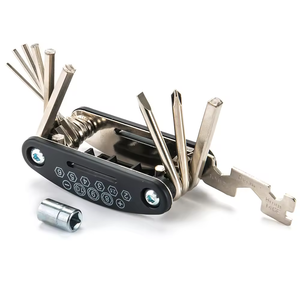
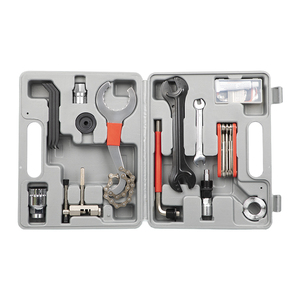
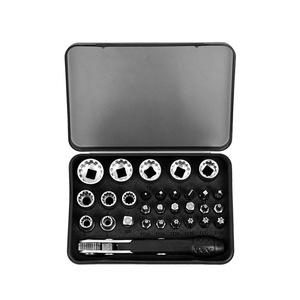
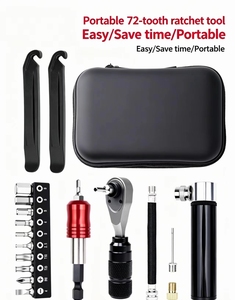
Selecting reliable chain breaker manufacturers and factories requires a deep understanding of drivetrain engineering, material fatigue, and mechanical tolerance. As modern bicycle drivetrains evolve from 8-speed wide-plate designs to ultra-narrow 12-speed and 13-speed systems (including SRAM T-Type Flattop and Campagnolo Ekar), the margins for driving pin deflection have shrunk to under 0.02 millimeters. A sub-standard chain splitter causes pin bending, outer plate warping, and catastrophic chain failure under load.
Leading tool manufacturers utilize 4140 Chrome-Molybdenum (Cr-Mo) steel bodies combined with S2 shock-resistant tool steel extractor pins. This specific metallurgical pairing guarantees that while the tool body handles high rotational torque, the driving pin maintains extreme hardness (Rockwell Hardness 58-62 HRC) without becoming brittle under shear stress.
Cheap mass-market tools typically use low-carbon die-cast zinc alloys that flex when pushing out tight rivet pins. OEM-grade manufacturers utilize fully CNC-machined alloy steel bodies with replaceable heat-treated pins. This extends tool working lifespan by 300% and reduces warranty returns for distributors to virtually zero.
The primary point of tool breakdown occurs when the pusher pin impacts the rivet head off-center. Top-tier factories solve this structural issue through dual-guide alignment cradles and ultra-fine thread pitch machining. Fine threads decrease the required manual hand torque by over 40%, allowing mechanics to push out hardened master pins cleanly without damaging adjacent link plates.
Heat-treated to HRC 60+ to eliminate pin bending when pushing flush-riveted pins on 12-speed and e-bike chains.
Threaded pin retention slots allow technicians to swap worn drive tips in seconds, saving up to 70% in maintenance costs.
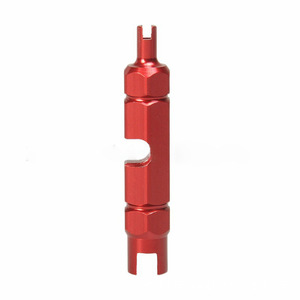
Combines classic rivet driving with magnetic holding bays for emergency quick-links and valve core tightening features.
Compare mechanical tolerances, material grades, and drivetrain compatibility across manufacturing tiers.
| Performance Parameter | Pro OEM Manufacturing Standards | Commercial Grade Products | B2B Operational Impact |
|---|---|---|---|
| Body Material Metallurgy | 4140 Cr-Mo / CNC Anodized 7075 Al | Stamped Carbon Steel / Cast Zinc | +300% Durability Zero body cracking |
| Extractor Pin Hardness | Rockwell HRC 58 – 62 (S2 Steel) | HRC 45 – 50 (Standard Iron) | Prevents pin flattening on modern 12S chains |
| Thread Pitch Precision | CNC Machined 0.75mm Fine Thread | Cast 1.25mm Coarse Thread | Reduces manual effort by 40% |
| Drivetrain Compatibility | 1S to 13S, E-Bike & SRAM T-Type | Basic 8/9/10-Speed Chains Only | Covers 100% of modern workshop repairs |
| Serviceability | Replaceable Pins & Rebuildable Heads | One-Piece Non-Serviceable Body | Lower Total Cost of Ownership (TCO) |
As the global bicycle market shifts rapidly toward high-torque Mid-Drive Electric Bikes (E-Bikes) and high-gear-ratio gravel groupsets, the mechanical demands on chain tools have reached an all-time high. Procurement managers must realign their sourcing strategies with three key macro trends:
E-bike chains carry peak motor loads exceeding 1,000 Watts. Consequently, chain manufacturers like KMC and Shimano utilize heavy-duty reinforced pins with enhanced outer peening. Standard workshop tools often shear when attempting to break these pins. Future-proof factories are introducing dual-position backing plates that support outer link plates during extraction to eliminate side-flare deformities.
Modern mobile mechanics and team technicians demand tool consolidation. Single-purpose chain breakers are being superseded by modular tool platforms where the chain breaker acts as a head attachment for standard 1/4" hex ratchets or torque keys. This reduces toolkit carry weight by up to 50% while utilizing existing workshop handles.
Global brands are phasing out single-use blister packaging in favor of custom-molded EVA storage cases, laser-etched branding, and plastic-free recyclable paper boxes. OEM factories offering turnkey private-label solutions—including laser logo marking, custom anodization colors, and small-batch packaging—are gaining massive market share.
Combining 18+ years of tool design heritage with WorldTour pro-team validation to deliver unmatched manufacturing consistency.
Our tools are engineered alongside top professional mechanics (including INEOS Grenadiers and Tudor Pro Cycling partners) who service dozens of high-performance bikes daily under intense race pressure.
Our torque tools and pin drivers incorporate industrial-grade internal springs manufactured to tight tolerances that hold setting accuracy without periodic recalibration—withstanding heavy shop drops.
All ratchets, Y-tools, T-handles, and drive bits share the industry-standard 1/4-inch hex interface, streamlining inventory for distributors and providing endless cross-selling opportunities.
Every batch undergoes optical comparator dimension checks, Rockwell hardness testing, and automated load shear tests to guarantee zero defect delivery to global distribution hubs.
Direct technical answers for commercial buyers, tool brands, and industrial importers.
