Precision-manufactured cycling tool systems trusted by WorldTour race mechanics, enterprise distributors, and commercial workshops worldwide.
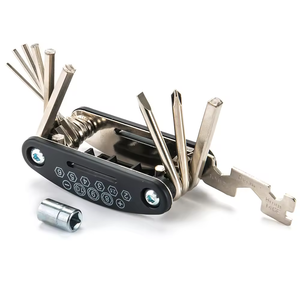
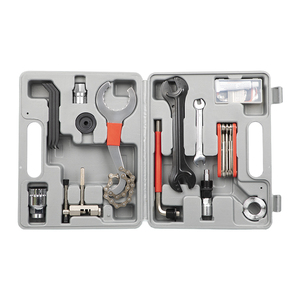
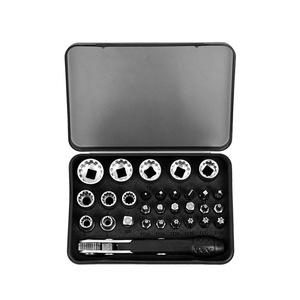
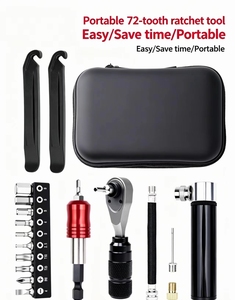
In the modern cycling, e-mobility, and outdoor equipment sectors, multi-tool selection has evolved from a basic accessory add-on into a critical driver of brand equity and customer retention. With lightweight carbon fiber frames, high-torque E-bike drivetrains, and complex integrated cable routing becoming industry standards, commercial procurement teams face growing technical challenges. Sourcing low-quality or imprecise tools creates high risks of component stripping, carbon composite cracking, and reputational damage.
This industry whitepaper evaluates the top global manufacturing paradigms, technical engineering metrics, OEM/ODM quality assurance benchmarks, and procurement trends shaping the multi-tool supply chain through 2030. Built upon hands-on engineering research and empirical field testing, this analysis provides procurement directors, brand owners, and commercial buyers with actionable criteria to evaluate high-precision multi-tool suppliers.
Key engineering and quality control parameters required for enterprise-grade tool procurement.
High-grade multi-tools demand premium tool steels. Top manufacturers utilize S2 Tool Steel (HRC 58–62) or Chrome-Vanadium (Cr-V 6150) for bit keys to prevent rounding and cam-out under load. Structural frames utilize CNC-machined 7075-T6 aircraft grade aluminum for maximum strength-to-weight performance.
Carbon fiber components (handlebars, seatposts, stem faceplates) require precise tightening specs (typically 4–6 Nm). World-class OEM manufacturers integrate preset internal spring torque mechanisms that physically slip or click at designated limits, preventing costly carbon crushing without relying on electronic sensors.
Legacy multi-tools feature riveted, non-replaceable bits that require replacing the entire unit if one tip wears down. Top suppliers adopt the universal 1/4-inch hex bit standard across ratchets, T-handles, and pocket keys, allowing seamless bit replacement and compact tool kits.
A breakdown of technical parameters comparing standard mass-market multi-tools against professional enterprise-grade OEM tools:
| Engineering Attribute | Mass-Market Multi-Tools | Enterprise OEM / Pro-Grade (Prestacycle Spec) | Impact on Commercial Sourcing |
|---|---|---|---|
| Bit Hardness & Alloy | Mild Steel / Basic Cr-V (HRC 45–50) | CNC Machined S2 Tool Steel (HRC 58–62) | Prevents bit stripping; extends tool life by >300%. |
| Torque Accuracy | Uncalibrated / Visual Guesswork | Pre-set Mechanical Spring (±4% Accuracy) | Eliminates warranty claims from damaged carbon parts. |
| Recalibration Needs | Requires annual recalibration | Zero Recalibration (Pre-set internal spring) | Reduces lifetime maintenance costs for bike shops. |
| Surface Coating | Basic Chrome Flash Coating | Electro-Nickel & PVD Corrosion Barrier (96h Salt Spray) | Prevents rust during foul weather riding and outdoor use. |
| Modular Ecosystem | Proprietary Riveted Pins | Universal 1/4" Hex Quick-Release Bit Standard | Allows custom tool combinations and simplifies SKU inventory. |
An evaluation of market leaders and OEM manufacturing powerhouses supplying global retail brands, professional race teams, and commercial shop networks.
Founded in 2006 in Rexford, New York, Prestacycle has transformed professional tool design by focusing on three core operational needs: precise inflation, zero-recalibration torque management, and modular 1/4" hex systems. Trusted by WorldTour mechanics (including INEOS Grenadiers and Tudor Pro Cycling), Prestacycle leads the industry in serviceability and carbon-safe torque tool manufacturing.
A historic fixture in workshop equipment, Park Tool excels in heavy shop infrastructure and traditional mechanic stand tools, maintaining a strong footprint across global retail distribution networks.
Specializing in integrated accessory design, Topeak offers a broad line of multi-tools with unique folding mechanisms and built-in frame storage solutions for endurance riders.
Known for distinct industrial aesthetics, Crankbrothers produces sleek side-entry multi-tools popular among mountain bike enthusiasts and trail riders.
Distinguished by elegant CNC-machined aluminum side plates and integrated forged bit arrays, Lezyne focuses on lightweight pocket multi-tools for road and gravel cyclists.
Positioned in the ultra-premium consumer space, Silca manufactures specialized titanium and wooden-boxed multi-tool sets tailored for luxury bicycle collectors.
Focusing on eco-friendly shop lubricants and heavy-duty hand tools, Pedro’s provides robust multi-tools designed for high-volume commercial repair shops.
Taiwan-based engineering provider recognized for ergonomic designs and innovative wedge-lock multi-tool bits tailored for custom OEM private-label production.
Focuses on ultra-minimalist bar-end and frame-mounted hidden multi-tools optimized for integrated aero setups.
Pioneered direct-on-frame multi-tool integration, embedding specialized miniature tool kits into water bottle cages, steer tubes, and frame downtubes.
Key technology trends shaping supply chain selection and product development over the next decade.
With electric bikes taking over urban and trail markets, standard low-torque multi-tools are no longer sufficient. E-bike motor mount bolts, battery lock covers, and thru-axles require higher torque loads (up to 12–15 Nm). Procurement managers are shifting toward dual-range ratchets and reinforced handle designs that can withstand these higher leverage demands without bending or slipping.
As tubeless setups dominate road, gravel, and mountain biking, multi-tools are expanding beyond standard Hex/Torx keys. Next-generation OEM requests require integrated tubeless tire plug insertion forks, tire valve core tighteners, CO2 inflator heads, and integrated chain breakers in a single compact package.
Technical guidance for commercial buyers, distributors, and shop owners evaluating multi-tool manufacturing partnerships.
Adjustable dial torque wrenches rely on internal tension springs that stay compressed when left at high settings, leading to calibration drift over time. They also feature delicate internal ratchets susceptible to damage from drops. Pre-set torque tools (such as Prestacycle Pro TorqKeys) use fixed internal springs manufactured to tight tolerances that cannot lose calibration, making them far more reliable for mechanics and riders.
For bits and functional tool keys, high-grade S2 Tool Steel hardened to HRC 58-62 offers superior wear resistance compared to standard Cr-V steel. For side frames, cold-forged or CNC-machined 7075-T6 aluminum alloy provides exceptional strength-to-weight performance. Additionally, high-end tools receive Electroless Nickel Plating or PVD coatings to pass 96-hour salt spray anti-corrosion tests.
Standard OEM private-label production typically requires an MOQ of 500 to 1,000 units per custom SKU depending on laser etching, custom anodization colors, and packaging specs. Prototype samples take approximately 14–21 days, while full production lead times range from 45 to 60 days following sample approval.
Standardizing on a 1/4" hex bit architecture streamlines inventory management. Instead of carrying multiple proprietary multi-tool lines, a single bit system works across pocket ratchets, T-handles, Y-tools, and torque keys. This reduces SKU count, simplifies warranty replacements, and lowers total cost of ownership for shop owners.
Yes. Unlike disposable press-on pump heads that wear out quickly, professional inflator heads (like the Prestaflator PRO) feature rebuildable internal gasket seals. The patented auto-lock mechanism securely grips the valve stem without twisting or pulling the delicate pin, enabling fast, one-handed operation that speeds up service work in high-volume shops.
Enterprise buyers should verify that manufacturing facilities hold ISO 9001 quality management certification. Torque tool production should comply with ISO 6789-1:2017 standards for hand torque tools, ensuring each batch includes documented accuracy calibration certificates (±4% max tolerance).
Since 2006, Prestacycle has set the benchmark for high-precision cycling tool systems from its engineering base in Rexford, New York. By pairing real-world testing in WorldTour races with advanced CNC manufacturing, Prestacycle delivers tool platforms built for unmatched efficiency, durability, and safety on modern carbon and e-mobility bikes.
Developed alongside top WorldTour race mechanics who depend on absolute precision under extreme race pressures.
Built with replaceable tips and rebuildable seals to maximize service life and eliminate disposable waste.
Flexible dealer onboarding, private-label branding, customized bit kits, and reliable global fulfillment support.
