Choosing 1/4 inch hex tool bits for bikes seems simple until a rounded bolt, cramped frame, or slippery handle creates trouble. A suitable bit must match the fastener precisely, resist twisting, and remain stable inside a compact driver. Small details matter.
Industry participation reports show why dependable home maintenance deserves attention. The Outdoor Foundation’s 2024 Outdoor Participation Trends Report records bicycling as a major recurring activity among millions of Americans. PeopleForBikes’ participation research also indicates that riding attracts a broad range of users, from daily commuters to recreational families. More bicycles in regular use mean more adjustments, repairs, and careful component checks. However, these reports measure participation, not tool quality. That gap is easy to overlook.
In practice, I look for bits made from hardened tool steel, with cleanly formed hex profiles and consistent dimensional tolerances. ISO 1173 and DIN 3126 provide useful references for hex-drive compatibility, although they do not guarantee a bit’s durability on every bicycle component. A 4 mm bit may fit a stem bolt perfectly, while a poor profile can still damage its corners. Torque matters too. Park Tool’s professional repair guidance repeatedly emphasizes correct fit, controlled leverage, and manufacturer torque specifications.
Fit comes before force.
A magnetic holder can help, but it cannot rescue a loose bit. I have also learned that a large kit is not automatically better; unused sizes add clutter, while missing a common 5 mm bit can stop a repair completely. This guide examines size selection, material quality, drive compatibility, corrosion resistance, and practical storage. It also questions a common assumption: the cheapest set may save money today, but not after one damaged bolt.
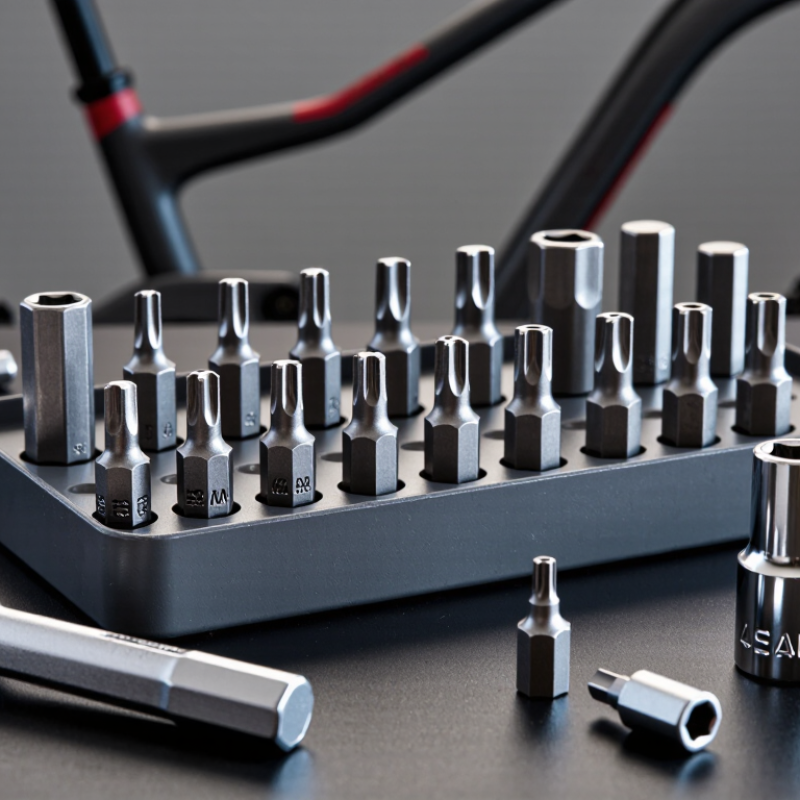
A 1/4-inch hex bit describes the shank, not the bolt size. Its shank measures 6.35 millimeters across flats. ISO 1173:2001 and DIN 3126 define common drive-end dimensions, including the widely used C6.3 profile. Check this marking before buying replacement bits. A bit holder may accept the shank, yet still fit poorly inside a compact bicycle tool.
For bicycle repairs, a practical metric set includes 2, 2.5, 3, 4, 5, and 6 millimeters. Select bits with precise edges and minimal wobble. Hardened tool steel improves wear resistance, but excessive hardness can make brittle tips. That detail is easy to overlook. Use a torque wrench when tightening stems, seat clamps, and carbon components. ISO 6789 covers torque-tool calibration and verification, which supports safer, repeatable tightening.
The 2024 PeopleForBikes Participation Report recorded 112 million Americans riding bicycles in 2023. More riders also mean more home repairs and tool purchases. A bit’s standard fit therefore matters beyond convenience. I once used a slightly loose 5-millimeter bit on a rounded fastener. The shortcut failed. Choose a full-length bit for accessible bolts, but use a shorter bit when clearance is limited. Ball-end bits help at angles, although they transfer less torque and can damage tight fasteners. My own mistake was trusting convenience too much. A clean, straight engagement remains the better test.
| Bit or Adapter Type | Typical Bicycle Use | Fastener Size or Interface | Drive Standard | Recommended Bit Form | Important Selection Notes |
|---|---|---|---|---|---|
| Hex bit | Stem clamps, seat-post clamps, bottle-cage bolts, derailleur mounting bolts and other socket-head screws | Common sizes include 3, 4, 5, 6 and 8 mm | 1/4 in hex shank; metric working end | Short or standard-length bit with full-depth hex engagement | Metric hex bits are normally the correct choice for modern bicycles; do not substitute a near-size imperial bit. |
| Ball-end hex bit | Accessing recessed or angled bolts where a straight bit is difficult to align | Usually 4, 5 or 6 mm hex fasteners | 1/4 in hex shank | Ball end for access; straight end preferred for final tightening | Ball ends are less suitable for high torque because contact is concentrated near the socket edges. |
| Torx®-style star bit | Disc-rotor bolts, some caliper bolts, accessory mounts and selected frame components | Common bicycle sizes include T25 and T30 | 1/4 in hex shank; six-lobe working end | Precision-machined, non-ball-end bit | Match the exact lobe size and seat the bit completely before applying force. |
| Phillips bit | Some derailleur limit screws, cable guides, reflectors and accessories | Often PH2, but the correct profile depends on the fastener | 1/4 in hex shank; cross recess | Standard PH bit with a sharp, unworn tip | A Phillips bit is not interchangeable with a Pozidriv or JIS-style recess. |
| Slotted bit | Older components, cable-adjuster hardware and selected accessories | Width and thickness must match the slot | 1/4 in hex shank; flat blade | Blade that fills the slot without excessive side clearance | An undersized blade can damage the slot and may slip under light torque. |
| Nut-driver bit | Hex nuts used on some racks, fenders, guards and older components | Common small sizes include 8, 10 and 13 mm, depending on the component | 1/4 in hex shank; external hex socket | Thin-wall socket where clearance is limited | Check socket outside diameter when working near frame tubes or recessed hardware. |
| 1/4 in square-drive adapter | Connecting 1/4 in sockets to a bit holder or compact torque wrench | 1/4 in square-drive sockets | 1/4 in hex shank to 1/4 in square drive | Locking or detent-retained adapter | Useful for sockets, but confirm that the connected tool is rated for the required torque. |
| Specification | Practical Meaning | What to Check |
|---|---|---|
| Nominal shank size | The tool-holder interface is a 1/4-inch hex, equal to 6.35 mm across the flats. | Use a compatible bit holder, ratchet, drill chuck or torque-tool adapter. |
| Bit profile | The working end must match the fastener recess or external shape. | Choose metric hex, star, Phillips, slotted or nut-driver geometry as required. |
| Length | Longer bits improve reach; shorter bits usually reduce flex and improve clearance. | Select a length that reaches the fastener without contacting adjacent frame or component surfaces. |
| Material and hardness | Heat-treated tool steel provides wear resistance for repeated hand-tool use. | Avoid chipped, rounded or heavily worn working ends; they can damage fasteners. |
| Retention feature | A groove, detent notch or magnetic feature helps keep the bit in the holder. | Check whether the holder requires a groove-compatible or smooth shank. |
| Torque suitability | A 1/4-inch drive describes interface size, not a universal torque rating. | Follow the bicycle or component manufacturer's torque specification and use a calibrated torque wrench when required. |
It describes the shank width, not the bolt size. The shank measures 6.35 millimeters across flats. Check for the C6.3 profile before buying replacement bits.
A practical set includes 2, 2.5, 3, 4, 5, and 6 millimeters. Most common repairs use 4, 5, and 6 millimeters. Smaller sizes suit cable clamps and accessories.
No. Use the exact size whenever possible. A loose bit can round the bolt head quickly. I once trusted a nearly correct 5-millimeter bit. It failed.
The tip should enter fully and remain stable. It should not rock, wobble, or slip. Clean dirt from the bolt first. Firm pressure helps.
S2 tool steel suits repeated workshop use and firm torque. Chrome-vanadium steel can work for lighter adjustments. Stainless steel resists corrosion, but may handle less torque.
Not always. Excessive hardness can make tips brittle. Durability should match your workload. A medium-duty set may suit home maintenance better than an extremely hard set.
Use one for stems, seat clamps, and carbon components. Follow the specified torque value. Calibration supports safer, repeatable tightening. Guessing feels faster, but it can cause damage.
Ball-end bits help reach bolts at an angle. However, they transfer less torque. They may damage tight fasteners. Straight engagement remains safer.
Use full-length bits for accessible bolts. Choose shorter bits where clearance is limited. Longer bits can reach recessed bolts near stems and bottle cages. Space matters.
Replace it when the edges twist, chip, or become visibly rounded. Shallow contact increases slipping. Cold or greasy hands make control worse. Inspect the tip before applying force.
Choosing 1/4 inch hex tool bits for bikes begins with understanding their standard size and how they fit common bicycle fasteners. Match the bit profile and size carefully to components such as stem bolts, seat clamps, brake fittings, derailleur hardware, and crank-related fasteners. Using the correct fit helps reduce slipping, surface damage, and unnecessary wear during routine repairs.
When selecting a set, consider durable materials, accurately formed tips, and profiles suited to both frequent maintenance and occasional adjustments. Check that the bits work securely with your preferred handles, ratchets, and torque wrenches, especially when controlled tightening is required. A practical set should include the sizes you use most often, offer easy storage, and provide enough durability for workshop or roadside tasks without adding unnecessary tools or weight.